
Game Developers Choice Awards
The peer-voted awards celebrating the art, innovation, and craft of game development.

Official GDC · CC BY 2.0
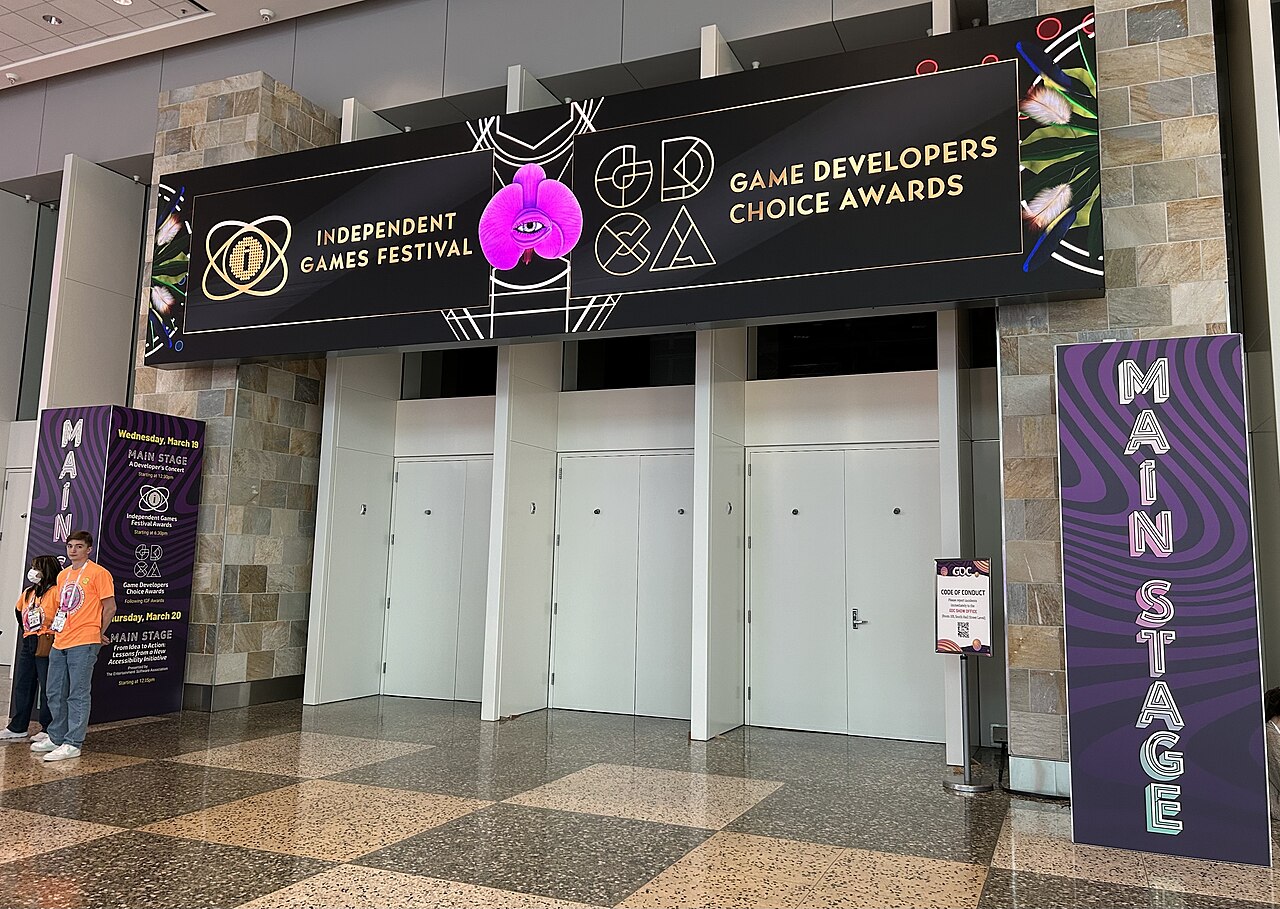
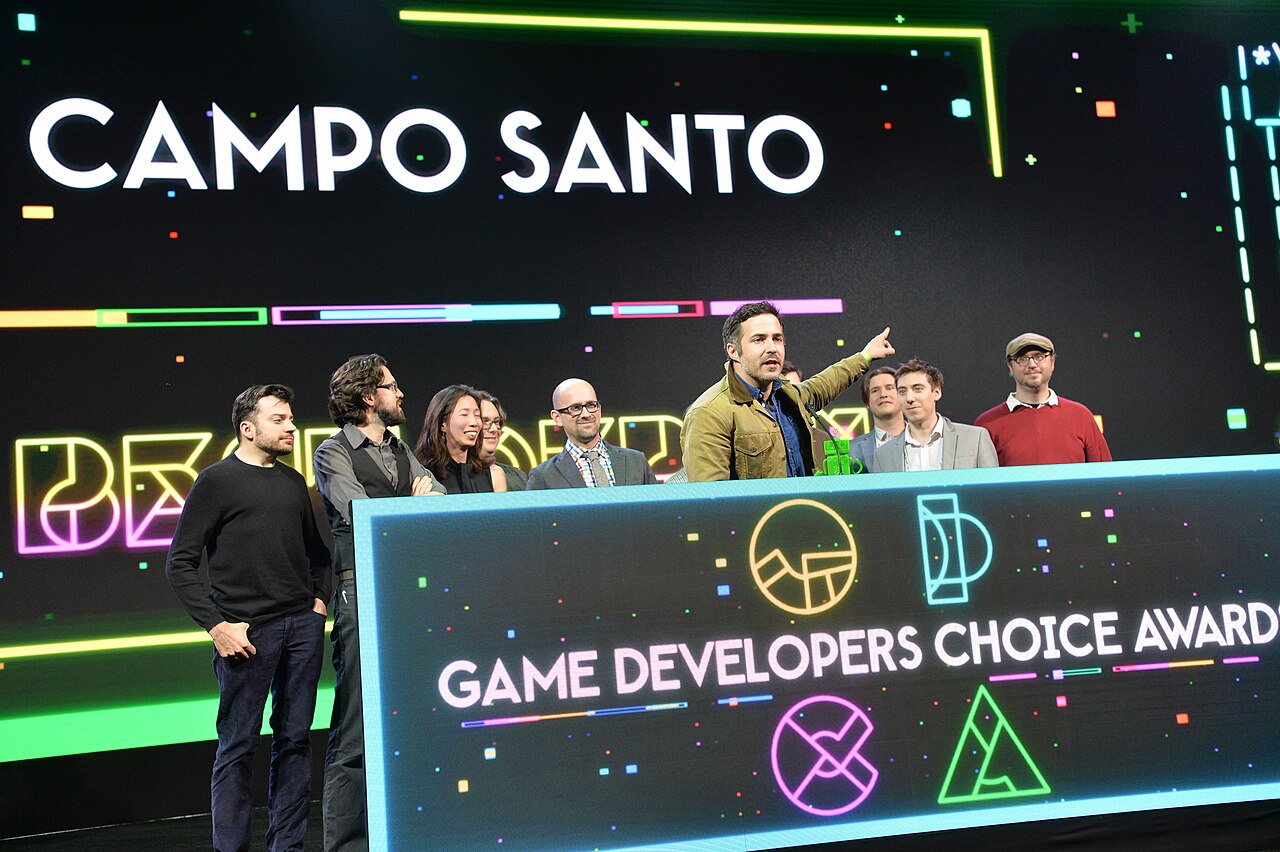
The Game Developers Choice Awards (GDCA) are annual awards presented by the International Game Developers Association (IGDA) to honor excellence in video game development. While the awards are closely tied to the Game Developers Conference (GDC) in San Francisco, the ceremony has also been held at other locations in some years, such as during the Independent Games Festival or online. The GDCA serves as a primary benchmark for industry respect, covering various categories including Best Debut, Innovation, Design, and Technical Achievement, culminating in top honors such as the Lifetime Achievement Award and the Pioneer Award, which recognize individuals who have made lasting contributions to the medium over decades of work.
- Organizer
- International Game Developers Association (IGDA)
- Voting Body
- Working Game Developers
- Primary Venue
- Game Developers Conference (GDC), San Francisco (ceremony has also been held elsewhere)
- Highest Honor
- Lifetime Achievement Award (one of several top honors, alongside the Pioneer Award and other special awards)
Lore & Background
In the ecosystem of video game recognition, the GDCA holds a unique position as the voice of the creators themselves. Unlike awards driven by sales figures or critic reviews, these honors reflect what developers value in their peers: code elegance, artistic vision, narrative depth, and technical breakthroughs. The atmosphere during the ceremony is often one of camaraderie rather than competition, celebrating shared struggles and triumphs in bringing interactive experiences to life. The history of the awards is intertwined with the evolution of the medium itself. Early ceremonies recognized the pioneers who built the foundations of 3D graphics and immersive storytelling, while modern events highlight the complexity of open-world design, procedural generation, and ethical considerations in game mechanics. The Lifetime Achievement Award and Pioneer Award, in particular, serve as historical archives, preserving the legacies of visionaries whose work defined entire generations of players. Because the voting body consists of industry professionals, the GDCA often highlights games that may not have been massive commercial blockbusters but are revered for their innovation or influence on future development practices. This peer-to-peer validation creates a legacy where technical mastery and creative risk-taking are rewarded as highly as market success.
In Their Own Story
The lights in the Moscone Center dimmed, shifting focus to the stage where the air hummed with the quiet energy of hundreds of engineers and artists. A developer from an indie studio stepped forward, clutching a glass trophy that felt heavier than its weight suggested. It wasn't just for winning; it was proof that their obscure experiment in physics-based gameplay had resonated with the very people who knew how hard such systems were to build. In that moment, surrounded by peers who understood every line of code and every pixel, the award represented a silent language of respect spoken only within the walls of development.
Reader's Guide
The inspiration behind the Game Developers Choice Awards stemmed from a desire for the industry to celebrate its own craft without commercial interference. Early interviews with IGDA founders highlighted a need for an event where technical challenges and design philosophy were discussed as seriously as box office numbers. Technical challenges in organizing the awards included establishing a fair voting system that could accommodate thousands of developers globally while preventing bias from large studio monopolies. The solution evolved into a transparent nomination process followed by a secret ballot among verified industry professionals, ensuring the results reflected genuine peer respect. The title has profoundly influenced subsequent games by setting trends in what is considered "excellence" within the dev community. When specific mechanics or narrative structures win, they often inspire a wave of experimentation across the genre, pushing other teams to innovate rather than simply iterate on existing formulas.
Did You Know?
- The awards are voted on exclusively by working game developers, not journalists or consumers.
- The Lifetime Achievement Award has honored legends ranging from Shigeru Miyamoto to Sid Meier for their decades-long impact, though it is one of several top honors alongside the Pioneer Award.
- The ceremony is typically hosted at the Game Developers Conference in San Francisco, but has also been held at other venues in some years.
Origins and Evolution of the Ceremony
The Game Developers Choice Awards were formally established in 2001 to honor outstanding achievements within the interactive entertainment industry, serving as a prestigious annual event held during the Game Developers Conference. Before this official inception, the industry recognized excellence through the Spotlight Awards, which ran from 1997 to 1999, laying the groundwork for future recognition. Over time, the ceremony has grown in scope and significance, now featuring the Independent Games Festival immediately prior to the main Choice Awards presentation. The event is managed by GDC-related properties owned by the UBM technology group, ensuring a professional platform for celebrating creativity. While the awards began with a focus on general excellence, the structure has evolved to include specialized categories that reflect the diversification of game development. This progression from early spotlights to a comprehensive annual gala highlights the industry's maturation and its commitment to peer recognition.
The Peer-Driven Selection Methodology
A defining characteristic of these awards is their rigorous selection process, which relies heavily on the expertise of working professionals rather than public voting or commercial sales figures. Nominations are initially generated by the International Choice Awards Network (ICAN), a collective of leading game creators, alongside editors from Game Developer magazine. This ensures that only titles released within the preceding calendar year and meeting specific criteria—excluding expansions or mission packs—are considered. The final winners in standard categories are determined by a vote among ICAN members and magazine editors who review the top nominees. Special honors such as Lifetime Achievement, Pioneer, and Ambassador awards follow a distinct path, decided by a dedicated five-person jury that may consider recommendations from ICAN members. Since 2007, Gamasutra has played a pivotal role in managing these operations, with an advisory board overseeing the nomination of finalists to maintain high standards.
Recognizing Technical Mastery and Innovation
The awards celebrate specific technical and creative disciplines through dedicated categories that highlight the multifaceted nature of game production. The Best Audio award honors excellence in sound design, musical composition, and orchestration, recognizing how audio landscapes enhance player immersion from titles like Halo to BioShock. Similarly, the Best Design category evaluates gameplay mechanics, puzzle complexity, and scenario balancing, celebrating structural brilliance seen in games ranging from Deus Ex to Elden Ring. Innovation is also a central pillar, with awards dedicated to projects that push the boundaries of the medium as an expressive art form. Historically, this category often recognized multiple titles simultaneously before 2007, acknowledging diverse experimental approaches. These specialized honors ensure that critical contributions beyond graphical fidelity or narrative scope are acknowledged by peers who understand the technical challenges involved.
Supporting New Voices and Mobile Excellence
The awards place a significant emphasis on fostering new talent and recognizing the rise of portable gaming platforms. The Best Debut award, formerly known as New Studio of the Year, specifically honors development studios releasing their first publicly available title, shifting focus from studio names to game titles after 2008. This category has launched careers for now-iconic developers like Mojang with Minecraft and Supergiant Games with Bastion. Furthermore, the Best Mobile/Handheld Game award acknowledges the commercial and artistic success of titles on portable devices, a sector that has seen explosive growth since the award's inception in 2007. Winners in this category span from classic handheld adventures to mobile phenomena like Pokémon Go, reflecting the industry's adaptation to changing consumption habits and the increasing sophistication of games played outside traditional console environments.
Gallery




Frequently Asked Questions
What are the Game Developers Choice Awards?
These are annual honors presented by the International Game Developers Association to recognize excellence in video game creation. They focus on celebrating technical and creative achievements rather than sales figures or media popularity.
How are winners selected for these awards?
Unlike many other industry ceremonies, the winners are chosen entirely by working game developers themselves. This peer-reviewed process ensures the recognition comes directly from professionals within the field.
Where are the awards presented each year?
The event is usually held alongside the D.I.C.E. Awards at the Game Developers Conference in San Francisco. This location places them at the center of the annual industry gathering.
What is the highest honor given at this ceremony?
The most prestigious recognition available is the Lifetime Achievement Award, which honors significant long-term contributions to the field. It stands above specific game categories as a tribute to career impact.
More in Production & Legacy
Elsewhere in the Flower universe
Spotted an error? Know more?
This is a living reference — every entry is fact-audited, and reader corrections feed straight into our audit queue. Suggest an edit · See this site's audit record